Articles

Managing Chama Contributions Without the Spreadsheet Headache
Tracking who paid, who's behind, and how much is in the pot gets hard fast once a chama grows past a handful of members. Here's what actually works.
What is Merry-Go-Round (Table Banking) and How Does it Work?
Merry-go-round savings — also called table banking — is one of the oldest and simplest group-finance models in East Africa. Here's exactly how the rotation works.
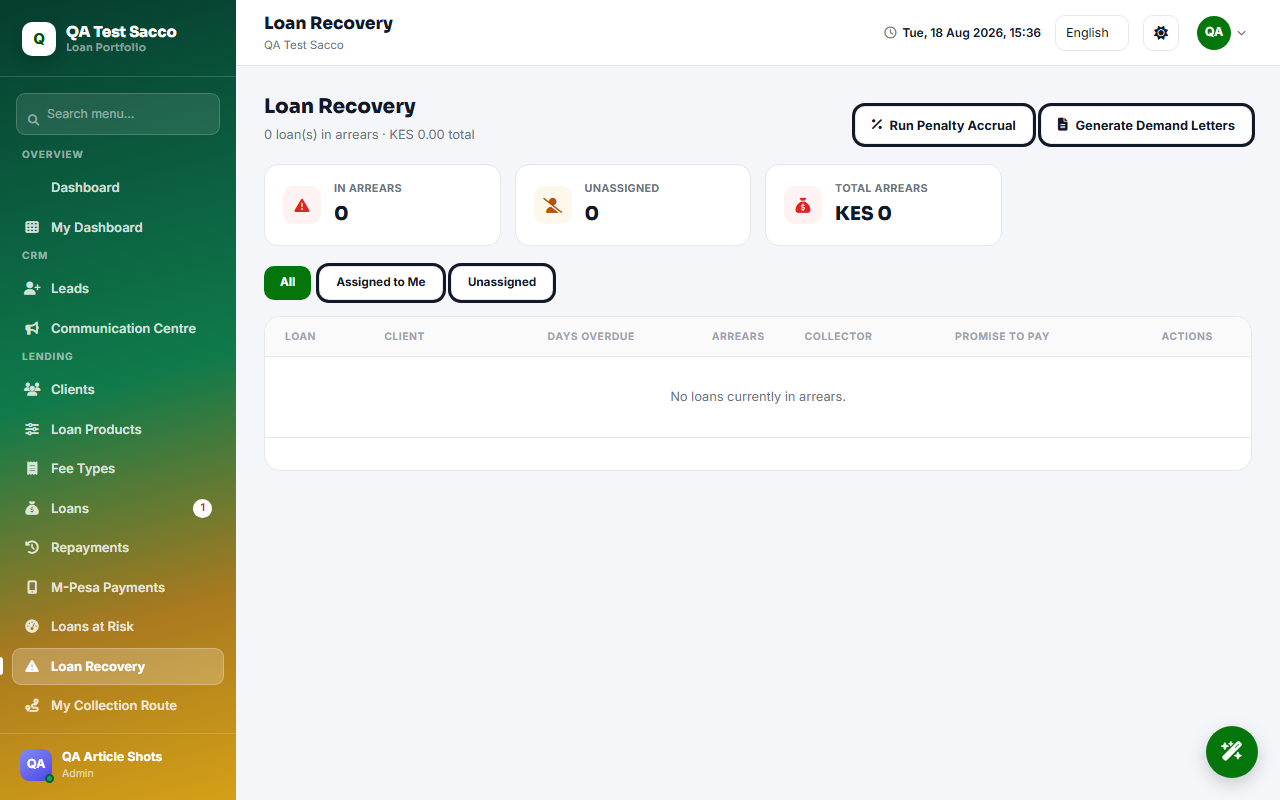
SACCO Loan Arrears: How to Manage and Recover Overdue Loans
A loan in arrears doesn't have to become a write-off. Here's the escalation process that actually recovers money without damaging member relationships.
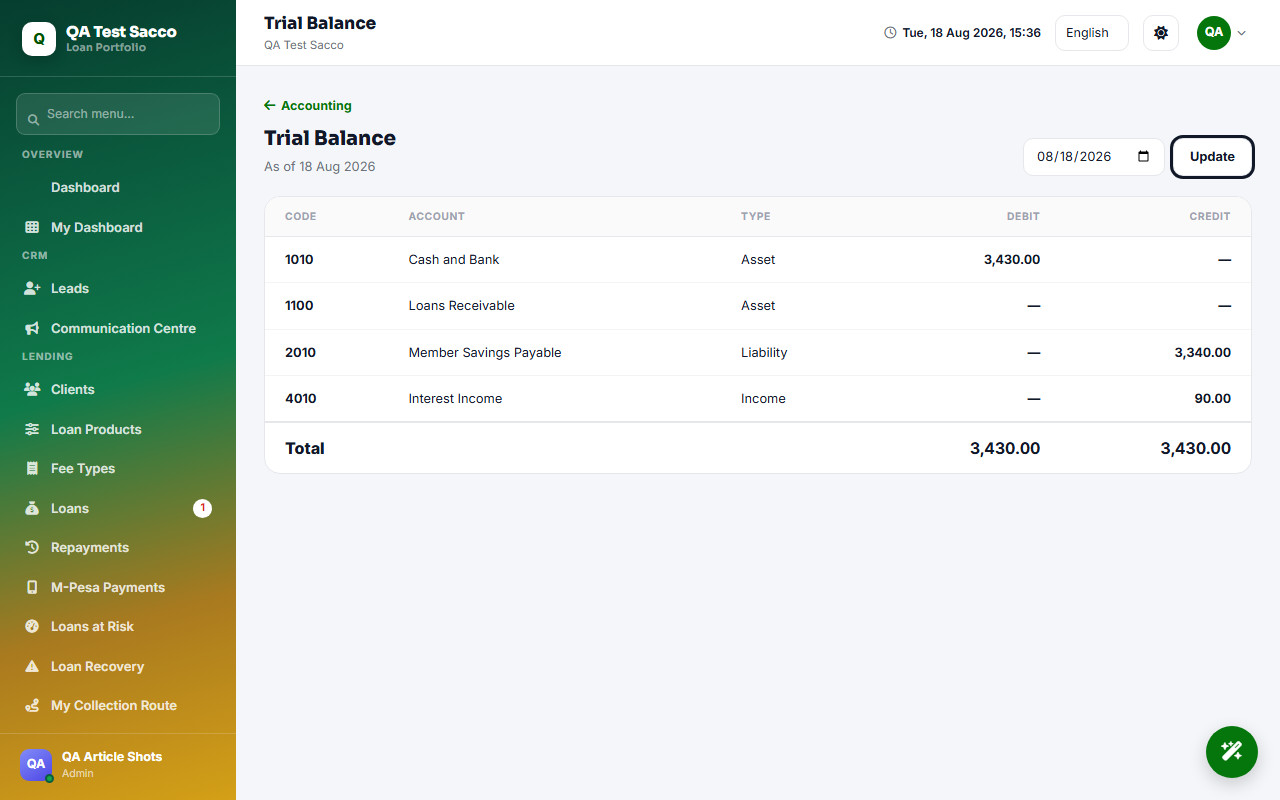
SASRA Compliance for Deposit-Taking SACCOs: What You Actually Need
Taking deposits in Kenya puts a SACCO under SASRA oversight. Here's what that actually requires in practice, beyond the headline capital rules.
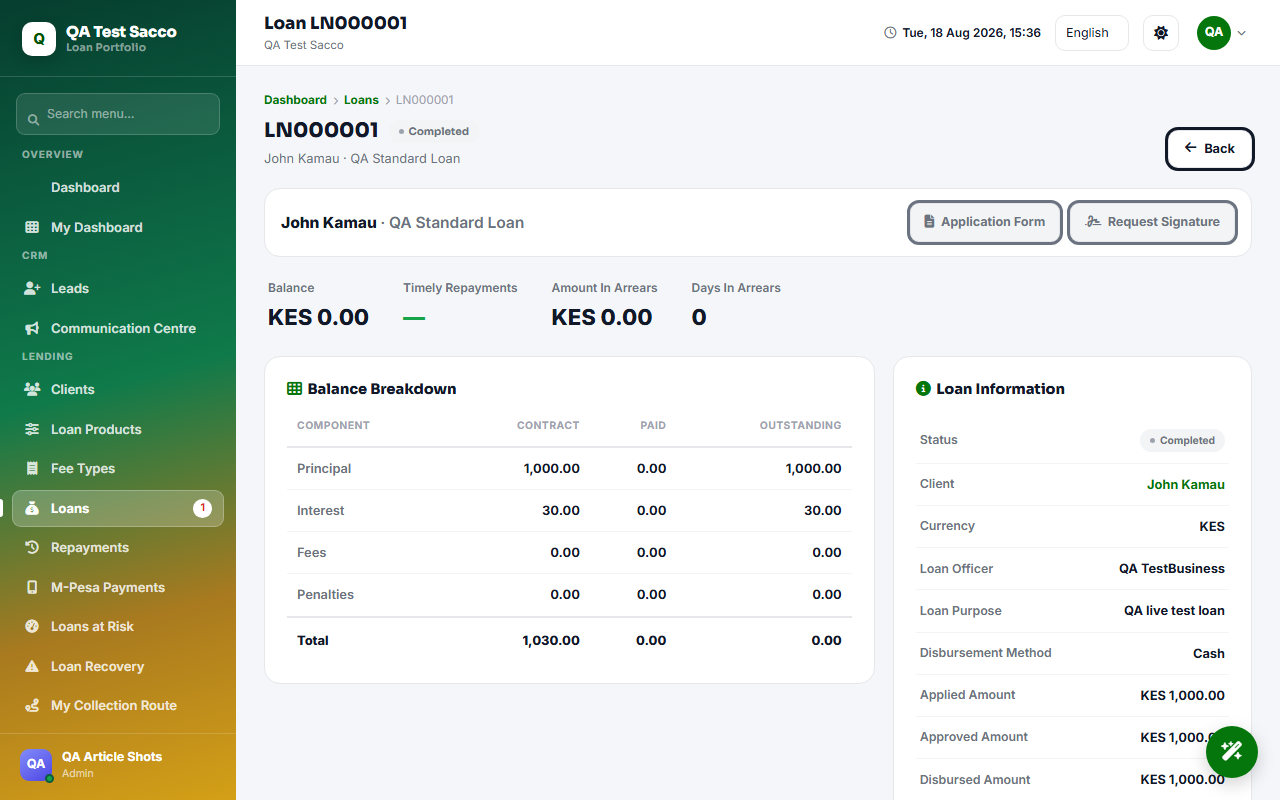
Guarantor vs Collateral: Which Loan Security Is Right for Your SACCO?
Most SACCO loans are secured one of two ways: a fellow member's guarantee, or physical collateral. Here's how the two actually compare in practice.
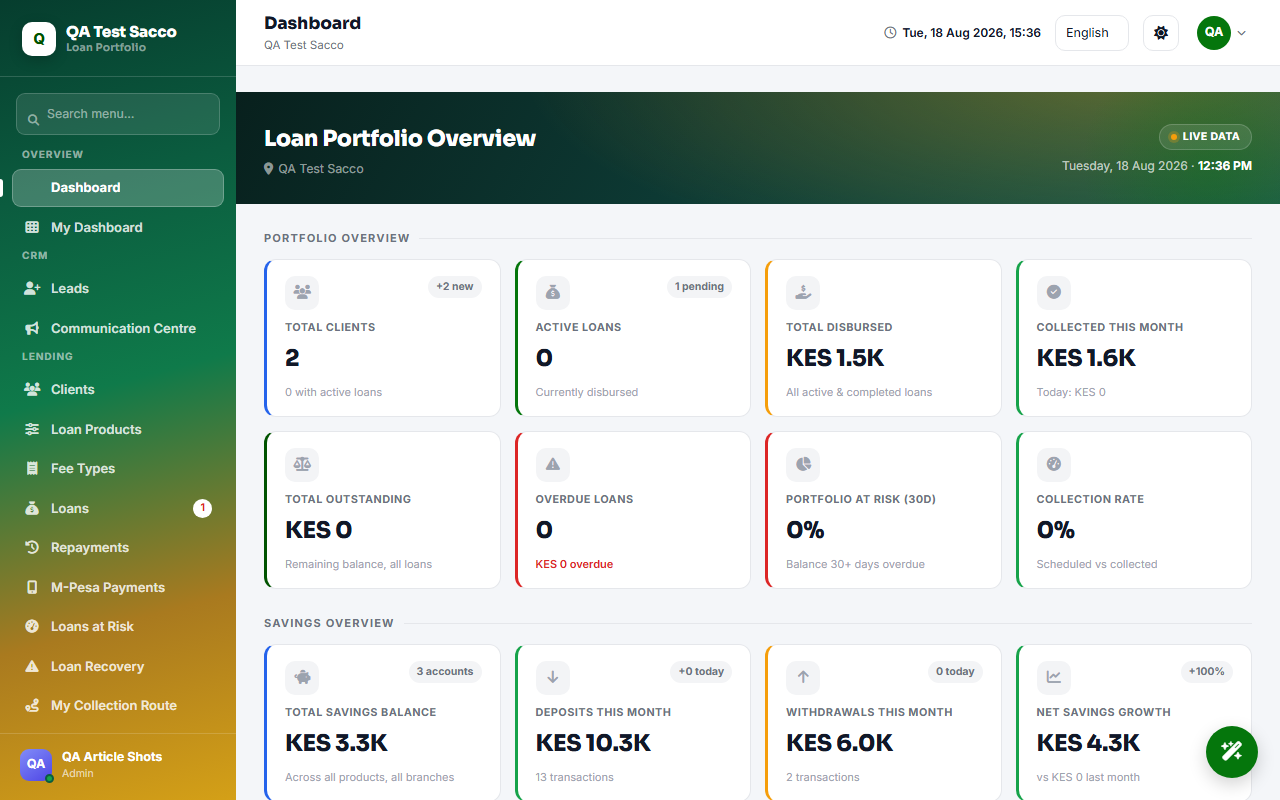
FOSA vs BOSA: Front Office and Back Office SACCO Services Explained
SACCOs that offer day-to-day banking, not just savings and loans, split their operations into FOSA and BOSA. Here's what each actually means.
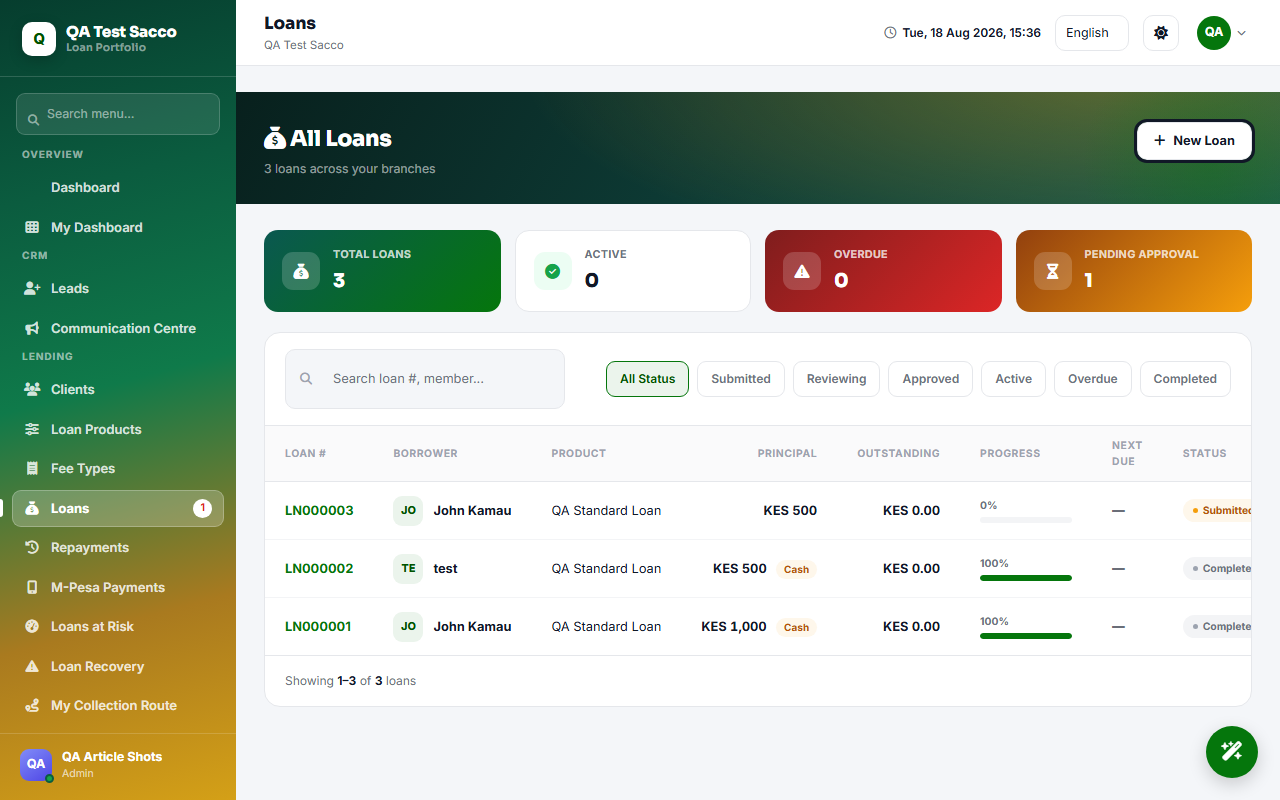
How Group Loans Work for Chamas and SACCOs
A group loan spreads both the borrowing and the risk across every member. Here's how it actually works, and where it differs from an individual loan.
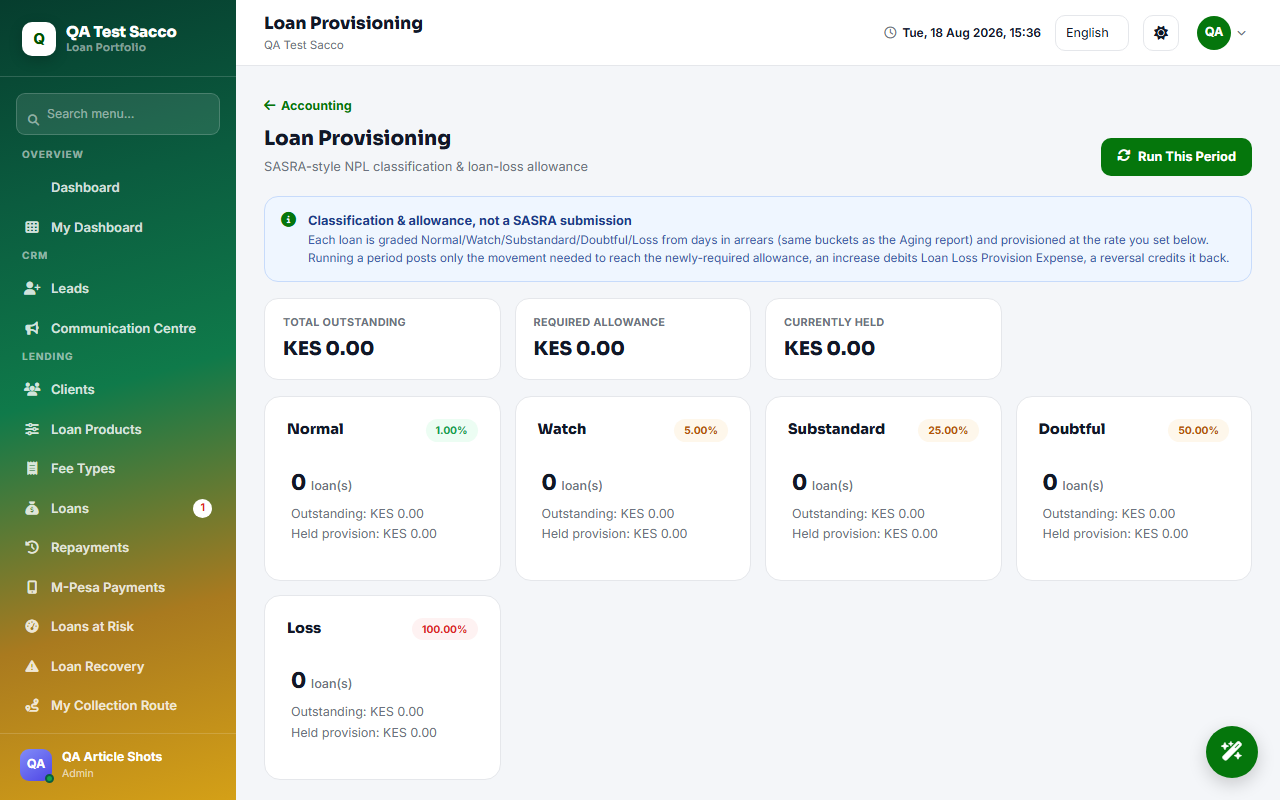
Understanding Loan Loss Provisioning for SACCOs
A SACCO's loan book always has some risk of non-payment built in. Here's what provisioning actually means, and why it's not optional bookkeeping.
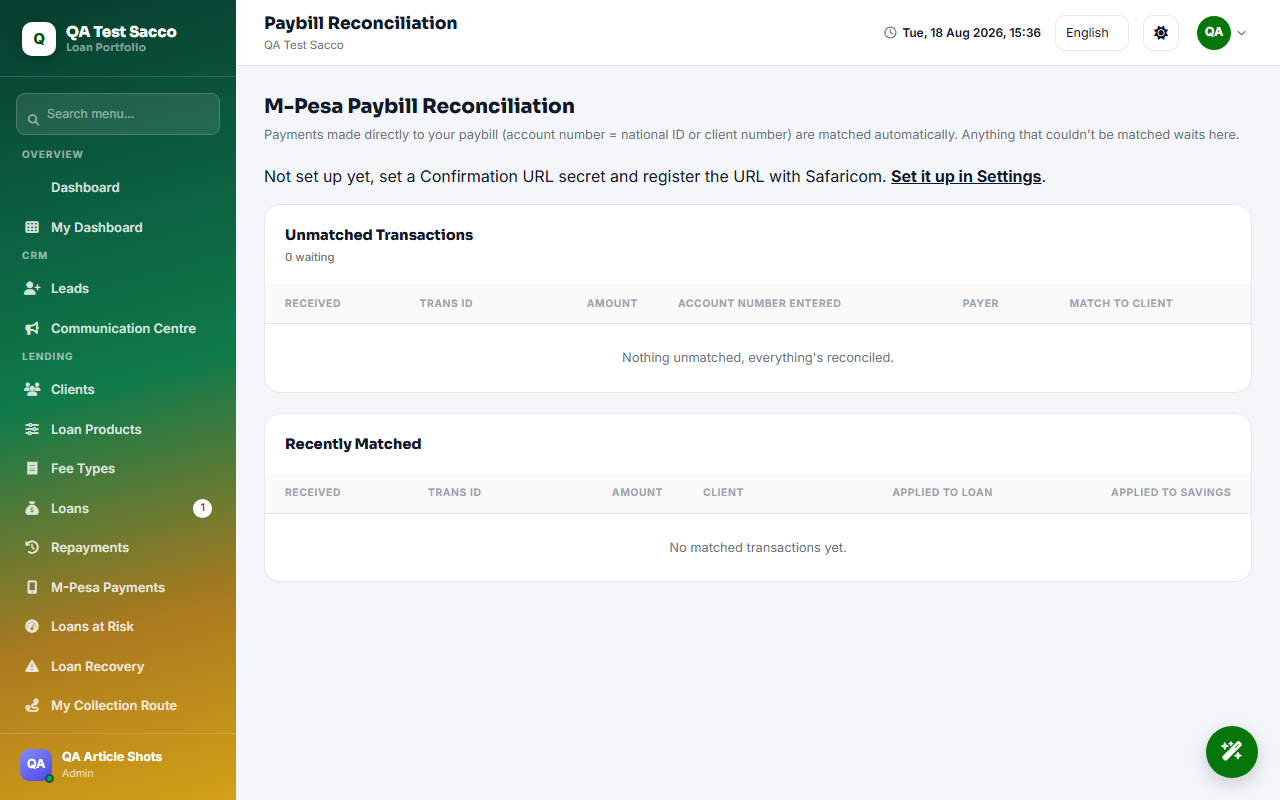
M-Pesa Paybill Reconciliation for SACCOs: Why It's Harder Than It Looks
A paybill number makes it easy for members to pay. Matching every payment back to the right member and account is the part that actually breaks at scale.
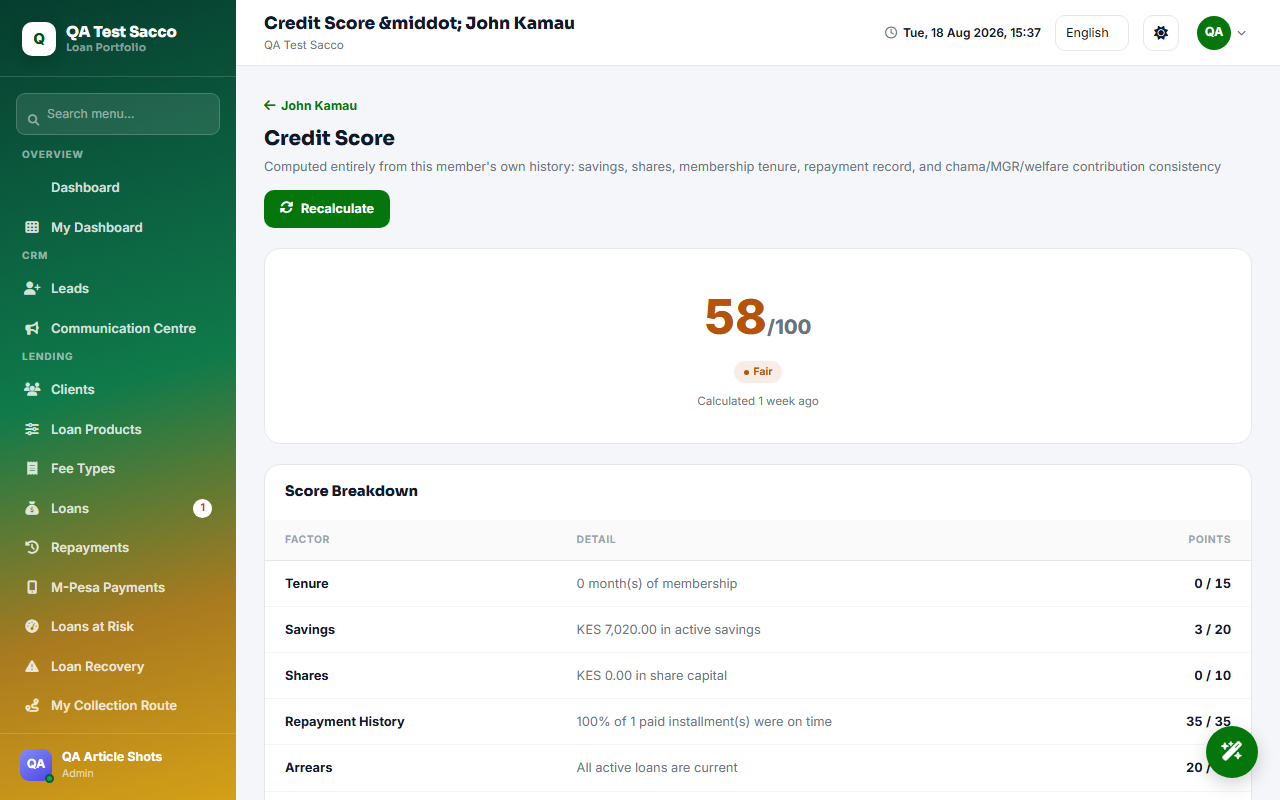
How to Calculate a SACCO Member's Credit Score
A SACCO already has more relevant data on its own members than any external credit bureau. Here's how a real internal credit score is actually built.
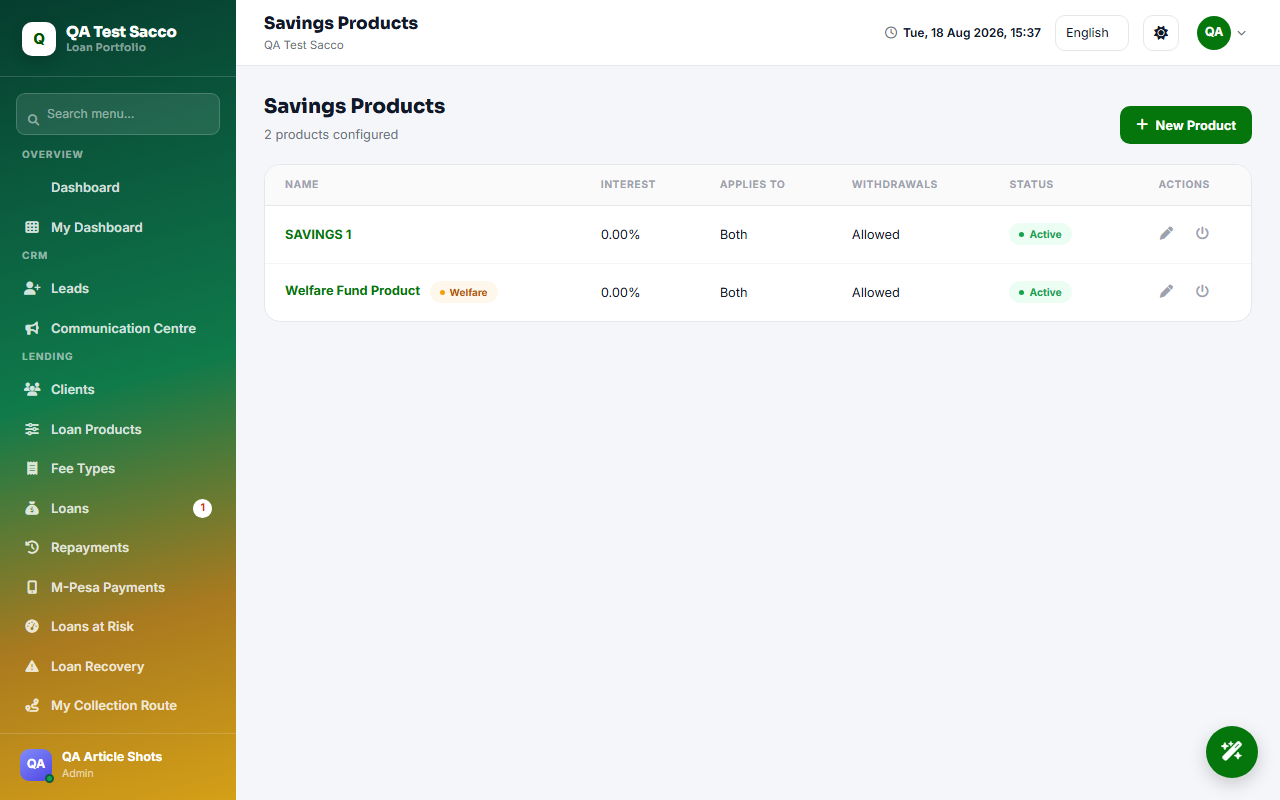
Fixed Deposits vs Regular Savings: Which Should Your SACCO Offer?
Regular savings and fixed deposits solve different problems for a member, and for the SACCO's own liquidity. Here's how to think about offering both.